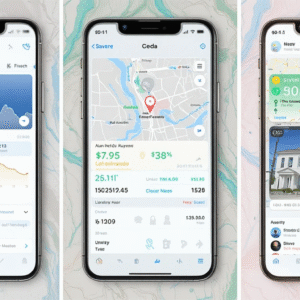
If you live in the USA and own an iPhone, you’ve probably noticed something interesting happening lately. Your phone is no longer just a device for scrolling memes, taking selfies, and ignoring emails. It’s slowly turning into a mini bank, shopping assistant, and financial manager—all in your pocket.
Welcome to the world of iPhone finance apps, where buying a new pair of sneakers, paying bills, or even splitting a $12 pizza with friends is now just a few taps away. And yes, the pizza still disappears faster than your paycheck.
Let’s break down what’s really happening, why these apps are exploding in popularity, and what you actually need to know before your phone starts managing your wallet better than you do.
What Are iPhone Finance Apps? (In Simple Words)
iPhone finance apps are mobile applications designed to help you manage money, make payments, borrow small amounts, invest, or split purchases over time—all from your iPhone.
They include things like:
- Buy Now, Pay Later (BNPL) apps
- Mobile wallets like Apple Pay
- Budgeting and expense trackers
- Investment apps
- Peer-to-peer payment apps
Think of them as your digital money toolbox. Except this toolbox sometimes reminds you that you spent $80 on food delivery at 2 AM… again.
Why iPhone Finance Apps Are Exploding in the USA
The USA has become a hotspot for finance apps, especially on iPhones. There are a few big reasons behind this boom.
1. People Want Instant Everything
Nobody wants to wait anymore—not for food, not for movies, and definitely not for payments.
Finance apps allow users to:
- Pay instantly using Apple Pay
- Split payments into installments
- Send money in seconds
- Approve purchases with Face ID
Basically, your face has become your wallet. That’s both futuristic and slightly scary.
2. Buy Now, Pay Later Is the New “Credit Card Lite”
Apps like Afterpay and Sezzle have changed shopping habits completely.
Instead of paying $200 upfront, users can:
- Pay in 4 installments
- Spread payments over weeks
- Avoid traditional credit checks in some cases
According to app store data, BNPL apps like Afterpay are widely used across fashion, tech, and lifestyle shopping in the U.S.
It’s like credit cards—but without the intimidating plastic guilt.
3. Apple Turned the iPhone Into a Financial Hub
Apple has been quietly building a financial ecosystem inside iPhones.
With Apple Pay, users can:
- Pay in stores with NFC tap
- Store cards securely
- Use biometric authentication
- Manage payments inside Wallet
And now, installment features are integrated through supported providers, letting users split payments at checkout.
In short: your iPhone is becoming a wallet that also judges your spending habits silently.
4. Mobile Banking Is Just Easier
Let’s be honest. Nobody enjoys logging into a desktop banking website anymore.
Finance apps win because:
- They are fast
- They are simple
- They send notifications instantly
- They feel “less boring” than banks
Even banks are now designing apps that feel more like social media than financial institutions.
Types of iPhone Finance Apps in the USA
Not all finance apps are the same. They fall into different categories based on what they do.
1. Mobile Payment Apps
These apps help you pay without cash or cards.
Popular features:
- Tap to pay
- QR payments
- In-app purchases
Examples include Apple Pay and similar wallet systems.
2. Buy Now, Pay Later Apps
These are the “dangerous but convenient” ones.
They allow users to:
- Split payments
- Delay full payment
- Shop instantly
Common apps:
- Afterpay
- Klarna
- Sezzle
Just remember: “I’ll pay later” is also how Netflix subscriptions multiply.
3. Budgeting Apps
These apps help you track spending and avoid financial chaos.
They can:
- Categorize expenses
- Track bills
- Set budgets
- Show spending trends
They’re basically your financial conscience in app form.
4. Investment Apps
These apps allow users to invest in stocks, ETFs, and crypto.
Features include:
- Fractional investing
- Auto-investing
- Portfolio tracking
Great for beginners—but also dangerous if you treat stocks like a video game.
5. Peer-to-Peer Payment Apps
These apps let you send money to friends instantly.
Use cases:
- Splitting dinner bills
- Paying rent
- Sending birthday money (last minute, of course)
How Buy Now, Pay Later Changed Shopping Behavior
BNPL apps deserve their own spotlight because they’ve completely changed how Americans shop on iPhones.
The Psychology Behind BNPL
It works because:
- $50 feels easier than $200
- Smaller payments feel “safe”
- Approval is fast
- No immediate pain of paying full price
But your bank account still remembers everything.
Typical BNPL Breakdown
| Purchase Amount | Plan Type | Weekly Payment | Total Duration |
|---|---|---|---|
| $100 | Pay in 4 | $25 | 6 weeks |
| $400 | Monthly | $100 | 4 months |
| $800 | Extended | $100–$200 | 6–12 months |
It feels manageable… until five apps are doing it at once.
Pros and Cons of BNPL Apps
Pros
- No large upfront payment
- Easy approval
- Flexible budgeting
- Interest-free options (sometimes)
Cons
- Easy to overspend
- Late fees if you forget
- Multiple payments stacking
- “Where did my salary go?” syndrome
Apple Pay and the Rise of Built-In Finance
Apple is quietly winning the finance game by doing something simple: making everything native inside iPhone.
Instead of downloading 10 apps, users can now:
- Pay using Apple Pay
- Store cards in Wallet
- Use installment options at checkout
- Track transactions automatically
Apple previously tried its own buy-now-pay-later system, but later shifted toward working with third-party lenders instead.
Basically, Apple said:
“We won’t be the bank, but we’ll make using banks feel like magic.”
Why iPhone Users Prefer Finance Apps Over Banks
Let’s be honest—traditional banking apps feel like they were designed in 2009 and never emotionally recovered.
Finance apps win because:
- They are visually clean
- They are mobile-first
- They give real-time alerts
- They feel more “human”
Even checking your balance feels less painful… slightly.
The Risks Nobody Talks About
Yes, finance apps are convenient. But there’s a catch (there’s always a catch).
1. Overspending Is Too Easy
When everything is “just $10 now,” your brain stops doing math.
2. Multiple Apps = Multiple Payments
You might have:
- One BNPL plan for shoes
- One for a phone
- One for groceries
- One forgotten subscription from 2022
3. Hidden Fees and Late Charges
Some apps are generous… until you miss a payment.
Then suddenly:
- Fees appear
- Notifications become aggressive
- Your mood drops instantly
4. Credit Impact
Some services report to credit bureaus, meaning your “small purchases” can affect your financial profile.
How to Use iPhone Finance Apps Smartly
You don’t need to avoid them—you just need to use them wisely.
Smart Tips
- Only use BNPL for planned purchases
- Track all subscriptions in one place
- Set reminders for payment dates
- Avoid stacking multiple installment plans
- Treat your phone like a tool, not a shopping assistant with emotions
Future of iPhone Finance Apps in the USA
The future looks like this:
- More AI-driven budgeting
- Fully digital banking inside iPhones
- Instant credit approvals
- Smarter spending alerts
- Possibly even “automatic saving modes”
Your iPhone might soon say:
“No, you don’t need that third hoodie.”
And honestly… it might be right.
Final Thoughts
iPhone finance apps in the USA are not just a trend—they are becoming the new normal. They’ve turned smartphones into full financial ecosystems where people can spend, save, borrow, and invest without ever visiting a bank.
They are fast, convenient, and powerful—but they also require discipline. Because while your iPhone can manage your money, it cannot stop you from ordering expensive food at midnight.
That responsibility? Still yours.