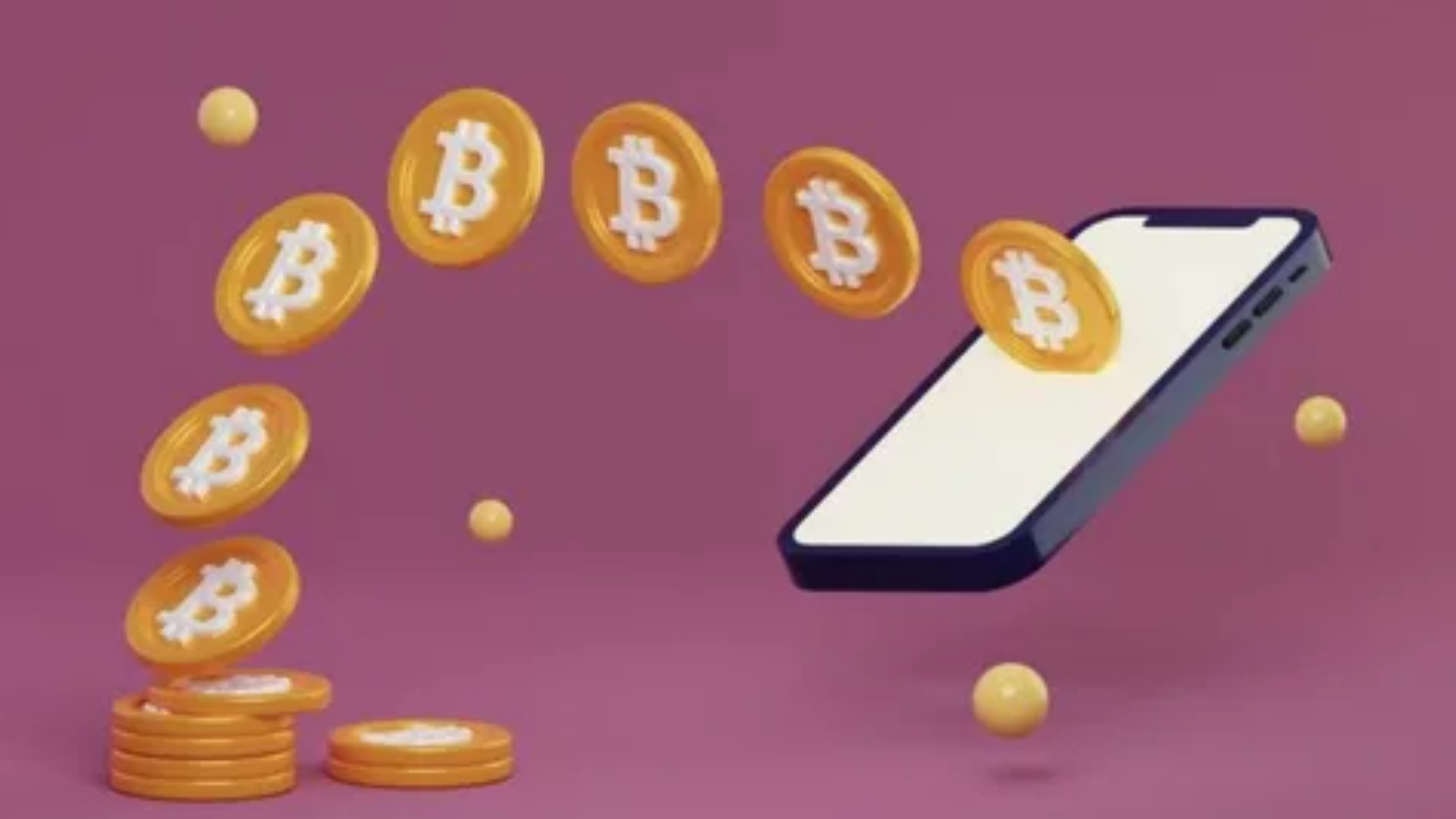
Picture this: You’re standing in line at your favorite coffee shop in Phnom Penh or wherever your iPhone takes you, thumbing through the Coinbase app, ready to snag a little Bitcoin while your latte foams up. Sounds simple, right? But behind that smooth swipe on your iPhone screen sits a whole army of U.S. regulators who’ve finally decided to stop treating crypto like some wild teenager sneaking out after curfew. As of 2026, the rules have gotten clearer – but they’re still a bit like assembling IKEA furniture without the instructions: doable, but you might end up with an extra screw or two.
This article breaks it all down in plain English for everyday iPhone users like you and me. No fancy Wall Street jargon. We’ll cover who’s calling the shots, what changed in the last year or so, how Apple’s App Store plays referee, and – most importantly – how not to get smacked with surprise taxes or app bans. I’ll throw in some humor because, let’s face it, trying to keep up with crypto regs can feel like explaining TikTok dances to your grandparents. By the end, you’ll know exactly what to watch for when your iPhone dings with a trading alert. And yes, we’re aiming for real talk here – the kind an intermediate writer would jot down after a few cups of coffee and some late-night research. Let’s dive in.
The Evolution of U.S. Crypto Regs: From Wild West to (Mostly) Tamed Frontier
Back in the early days of Bitcoin, the U.S. treated crypto like that sketchy cousin at family reunions – tolerated but watched closely. Regulators mostly operated by “enforcement first,” slapping fines on exchanges and projects left and right. Fast-forward to 2025 and 2026, and things have calmed down big time. Congress finally passed a couple of game-changing laws, and agencies like the SEC and CFTC stopped bickering long enough to issue joint guidance.
The big shift started with the GENIUS Act in July 2025. Think of it as the government saying, “Okay, stablecoins are here to stay – let’s make sure they don’t blow up like a bad fireworks show.” Then came the SEC’s landmark March 2026 interpretation, backed by the CFTC, which laid out a clear “token taxonomy” for the first time. No more guessing if your favorite altcoin is secretly a security. On top of that, the Digital Asset Market Clarity Act (CLARITY Act) is moving through the Senate after passing the House, aiming to split oversight cleanly between the two big agencies.
For iPhone users, this matters because most of us do our crypto stuff on mobile apps. You’re not sitting at a trading desk in a suit – you’re probably in sweatpants, tapping away. These new rules mean the apps you download are less likely to vanish overnight, but you still have to play by the book if you want to avoid headaches. It’s like Apple finally updating iOS to stop crashing your favorite games – progress, but you still need to hit “update” yourself.
Key Players: The Regulators Keeping Tabs on Your iPhone Wallet
Who’s actually bossing crypto around? It’s not one big bad guy in a suit – it’s more like a whole committee of hall monitors. Here’s a quick table to keep it straight:
| Regulator | Main Job | What It Means for Your iPhone |
|---|---|---|
| SEC | Watches securities (investment contracts) | Decides if a token sale looks like a stock offering; new 2026 taxonomy helps most coins dodge this |
| CFTC | Oversees commodities like BTC and ETH | Handles spot trading for “digital commodities”; clearer rules for futures on your trading apps |
| IRS | Collects taxes on gains and income | Sends you 1099-DA forms; tracks your buys, sells, and swaps |
| FinCEN | Handles anti-money laundering and KYC | Forces exchanges to check your ID before you trade big |
| Apple (App Store) | Gatekeeper for what apps you can install | Reviews every crypto app for compliance; no on-device mining allowed |
The SEC’s 2026 Taxonomy: Finally, Crypto Gets a Label Maker
In March 2026, the SEC dropped a 68-page bombshell interpretation that even the CFTC signed onto. They created five neat buckets for crypto assets: digital commodities, digital collectibles, digital tools, stablecoins, and digital securities. Most big names – Bitcoin, Ethereum, Solana, and about 13 others – landed in the “digital commodities” bucket under CFTC watch. That means they’re treated more like gold or oil than like Apple stock.
Why does this make you laugh-cry? Because for years the SEC acted like every token was a sneaky IPO waiting to happen. Now they admit that once a network is decentralized enough – think functional blockchain with real users – the token stops being a security. Airdrops? Usually fine. Protocol staking? Not automatically a securities deal. Even wrapping tokens or mining on proof-of-work chains got clearer rules.
As an iPhone user, this is huge when you’re browsing NFT marketplaces or staking in DeFi apps. Your favorite wallet app can now explain risks without sounding like it’s reading from a lawyer’s nightmare. But here’s the funny part: if a project promises you “profits from the team’s hard work,” boom – it might still count as a security. It’s like the SEC is saying, “We’re cool with the tech, but don’t try to sell me snake oil.”
Stablecoins Finally Get a Real Rulebook: Enter the GENIUS Act
Stablecoins like USDC and USDT used to float in a gray zone – useful for trading but scary if they ever broke the buck. The GENIUS Act fixed that in 2025 by requiring 1:1 backing with U.S. dollars or super-safe assets. Issuers now need licenses through the OCC or qualified state programs, plus monthly attestations and clear redemption rules.
On your iPhone, this means the stablecoin balance in your trading app is less likely to turn into a pumpkin at midnight. Apps can hold or transfer them more confidently, and banks are slowly warming up to integration. Humor alert: It’s like the government finally put training wheels on the crypto bike so you don’t scrape your knees (or your portfolio) too badly.
Taxes: Uncle Sam Wants His Slice – And He’s Got Forms Now
Ah, taxes. The one thing that turns crypto millionaires into accountants overnight. The IRS still treats crypto as property, just like stocks or that vintage baseball card you regret selling. Every sale, trade, or even using Bitcoin to buy a sandwich triggers a potential capital gain or loss.
Big change in 2026: Brokers (think Coinbase, Binance.US, or any custodial exchange) now send you Form 1099-DA. For 2025 transactions (filed in 2026), they report gross proceeds. Starting with 2026 trades, they’ll also include your cost basis – basically what you originally paid, plus fees. No more guessing on your Schedule D and Form 8949.
Here’s a simple list of what counts as a taxable event on your iPhone:
- Selling crypto for dollars
- Trading one coin for another (yes, even BTC to ETH)
- Using crypto to buy goods or services
- Earning staking rewards or airdrops (usually ordinary income)
- NFT sales or trades
Short-term gains (held under a year) get taxed at your regular income rate – up to 37%. Long-term? Nicer rates: 0%, 15%, or 20%. And don’t forget the digital asset question right at the top of your Form 1040: “Did you have any digital asset activity?” Lie about that and the IRS might send you a very unfriendly letter.
Pro tip for iPhone users: Apps like CoinLedger or even built-in tools in Coinbase can export your transaction history. But track everything manually too – transfers between your own wallets aren’t taxable, but the IRS wants proof. It’s like keeping receipts for every Starbucks run, except the stakes are higher and your accountant will thank you.
Apple App Store: The Bouncer at the Crypto Club
Your iPhone isn’t just a phone – it’s the front door to crypto. Apple’s App Store guidelines (Section 3.1.5) lay down the law:
- Wallets are cool if the developer is an enrolled organization.
- Exchanges only in countries where they’re properly licensed.
- No mining on the device itself (your battery would hate you anyway).
- ICOs and futures trading? Only from real banks or approved firms.
- Clear risk disclosures required – no “get rich quick” nonsense.
Recent policy tweaks (thanks to court rulings and antitrust pressure) let apps link to external payment systems for NFTs and crypto purchases. That means developers can skip Apple’s 30% cut on some off-app transactions in the U.S. storefront. It’s like Apple finally said, “Fine, you can bring your own snacks to the party.”
Popular compliant apps in 2026 include Coinbase, Robinhood Crypto, Kraken, and self-custody wallets like Trust Wallet or MetaMask (with the usual warnings). They all play nice with iOS security features like Secure Enclave and Face ID, which honestly make your iPhone one of the safest places to store keys – as long as you don’t fall for phishing texts.
Anti-Money Laundering and KYC: Why Apps Ask for Your Driver’s License Photo
FinCEN treats most exchanges as money services businesses. That means KYC (Know Your Customer) is mandatory before you can trade serious amounts. On your iPhone, expect to snap a selfie and upload ID the first time you set up a real trading account. It feels intrusive – like showing your ID to buy cough syrup – but it stops bad guys from using your favorite app as a digital piggy bank for shady stuff.
State Laws: Because One Country, Fifty Rulebooks
Federal rules set the floor, but states add their own spice. New York’s BitLicense is still the strictest – some big exchanges simply don’t bother serving NY residents. California’s Digital Financial Assets Law kicks in fully in July 2026, requiring licenses for anyone handling digital assets for Californians. Other states are tweaking rules on crypto ATMs and custody.
If you travel or live near state lines, double-check your app’s availability. It’s like trying to order a drink in a dry county – annoying but avoidable if you plan ahead.
Security and Best Practices: Don’t Be the Guy Who Loses It All to a Text
Regulations push apps toward better security, but your iPhone habits matter most. Enable two-factor authentication (not SMS if possible), use hardware wallets for big stacks, and never click suspicious links. iOS updates patch zero-days fast – keep that software current. And remember: self-custody means you’re your own bank. Lose your seed phrase and even the SEC can’t help you.
Common Pitfalls iPhone Users Trip Over (And How to Avoid Them)
- Ignoring the 1099-DA and underreporting gains. The IRS matches data now – it’s like they have your crypto receipts.
- Downloading sketchy apps outside the App Store (sideloading is risky and often violates rules).
- Forgetting that even small airdrops can be taxable income.
- Trading on unregulated offshore platforms that suddenly block U.S. users.
Humor break: One buddy of mine thought he was a genius using a VPN to dodge KYC. Spoiler: The IRS still found him, and now he’s explaining it to a very bored auditor. Don’t be that guy.
What’s Next? Crystal Ball Time for 2026 and Beyond
With the CLARITY Act likely passing soon, expect even more CFTC-led spot markets and bank-friendly rules. Stablecoin adoption could explode as companies integrate them for payments. The SEC’s new innovation-friendly tone (under Chair Paul Atkins) suggests fewer enforcement actions and more guidance. For iPhone users, that probably means slicker apps, more NFT features, and easier on-ramps. But watch for international twists – if you travel, other countries’ rules might apply too.
Practical Tips: Your iPhone Crypto Survival Guide
Here’s a quick checklist to stay compliant and sane:
- Use only App Store apps from verified developers.
- Enable auto tax reports in your exchange app.
- Keep a separate spreadsheet for non-reported transactions (wallet-to-wallet moves).
- Set price alerts instead of staring at charts all day – your battery and mental health will thank you.
- Read the risk disclosures Apple forces every app to show. They’re boring but important.
- Consider a hardware wallet for anything over a few hundred bucks – your iPhone is great for daily use, not Fort Knox storage.
Wrapping It Up: Crypto on Your iPhone Can Be Fun (and Legal)
U.S. crypto regulations in 2026 aren’t perfect, but they’re a massive step up from the chaos of previous years. The GENIUS Act, SEC taxonomy, IRS reporting upgrades, and Apple’s evolving App Store policies all add up to a more predictable playground for iPhone users. You can buy, sell, stake, and collect NFTs without constantly looking over your shoulder – as long as you follow the basic rules.
So next time you’re tapping “Buy” on your phone, take a second to appreciate the regulatory scaffolding holding it all up. It might not be as exciting as a 10x moonshot, but it sure beats waking up to frozen accounts or surprise tax bills. Stay informed, keep it light, and remember: even the regulators are figuring this out as they go. Happy trading – and may your portfolio be ever in your favor.