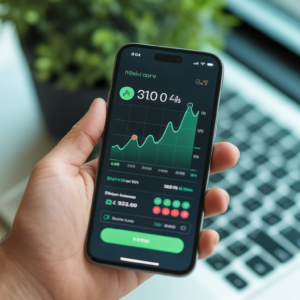
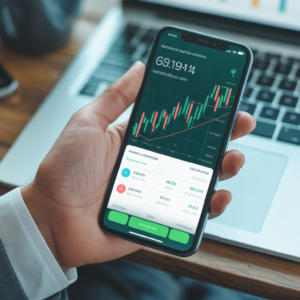
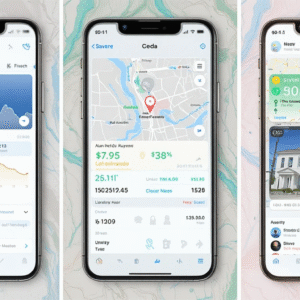
Picture this: It’s 2 a.m., you’re knee-deep in a paper due at 8 a.m., and your stomach growls louder than your professor ever could. You open DoorDash, order $12 worth of wings, and suddenly your bank app lights up like a Christmas tree with a “low balance” alert. Sound familiar? Welcome to college life in the USA, where tuition feels like a mortgage, ramen is basically currency, and your iPhone is the one thing that never leaves your side. Good news, though— that sleek little rectangle in your pocket can actually help you stop bleeding money. No fancy finance degree required. These tips are simple, practical, and sprinkled with enough humor to keep you from crying into your textbooks. Let’s turn your iPhone from a distraction machine into your personal money manager.
Setting Up Your iPhone as Your Personal Finance Guru
First things first, stop treating your iPhone like just a TikTok scroll device. Turn it into a finance command center in under ten minutes. Open the Wallet app (it’s already there, hiding in plain sight). Tap the plus sign and add your debit card, credit card, and yes—even your student ID if your campus supports it. Many universities in 2026 let you store your ID in Apple Wallet so you can tap your phone to get into the dorm, library, gym, or even buy a sad cafeteria burrito. No more fumbling for a plastic card while your coffee goes cold and your dignity melts away.
Apple Pay is next. Link it to your bank and boom—contactless payments everywhere from Target runs to campus vending machines. It’s faster than digging for cash, and way safer because your actual card number never gets handed over. Pro tip: Enable Express Mode for your student ID and Apple Pay so you don’t even need to unlock your phone. Imagine breezing through the dining hall line while your roommate is still searching pockets like it’s a game of hide-and-seek.
Don’t forget to set up Apple Cash too. It lives right in Messages. Split that pizza bill with your roommates without awkward Venmo drama or “I’ll pay you back next week” lies. Your iPhone will ping everyone instantly. Set up notifications for low balances and upcoming bills right in the Settings app under Notifications. It’s like having a tiny, non-judgmental accountant who actually cares if you go broke.
Mastering Apple Pay and Apple Cash for Easy Transactions
College is full of group expenses—group projects, group study snacks, group “we’re all broke so let’s split everything.” Apple Cash makes this painless. Open a group chat, tap the Apple Cash icon, and send or request money faster than you can say “I forgot my wallet.” It’s free between friends, and the money lands in your Apple Cash balance ready for Apple Pay.
Humor break: Remember that time your roommate swore he’d pay you back for the $40 Uber after that party? With Apple Cash, you can send a polite request that feels less like nagging and more like magic. Plus, Apple Pay gives you some cash back on certain purchases, especially if you grab an Apple Card (more on that later). No foreign transaction fees either, which is clutch if you’re studying abroad for a semester and don’t want your bank to slap you with surprise charges.
Set spending limits in the Wallet app for different categories. Want to cap your late-night food runs at $30 a week? Done. Your iPhone will gently (or not so gently) remind you when you’re getting close. It’s like having a financial seatbelt—annoying until you realize it just saved you from crashing your budget.
Budgeting Apps That Fit in Your Pocket: Top Picks for iPhone
Budgeting sounds boring until your iPhone does all the heavy lifting. Here’s a quick comparison of the best ones for college students in 2026 (all work great on iPhone):
| App | Price | Key Features | Why Great for Students |
|---|---|---|---|
| Goodbudget | Free (20 envelopes); $8/month unlimited | Envelope system, shared budgets | Simple “money in jars” method, no bank link needed |
| YNAB (You Need A Budget) | Often free 1-year for students; then ~$109/year | Zero-based budgeting, tutorials | Teaches you to give every dollar a job |
| PocketGuard | Free tier; premium ~$7.99/month | “In My Pocket” leftover cash tracker | Shows exactly what you can spend today |
| Copilot Money | Subscription (iOS-focused) | AI categorization, smart predictions | Beautiful design, learns your habits fast |
| WalletHub | Completely free | Multiple budgeting methods, insights | Flexible and no ads in basic version |
YNAB is the tough-love coach. It forces you to plan every single dollar before it hits your account. College students often get a free year, so jump on that. You’ll learn more about money in one month than in an entire econ class. PocketGuard is perfect if you hate math—it just tells you “Here’s what you have left after bills and goals. Go wild… or don’t.”
Whatever you choose, link your bank accounts (most do it securely) and watch the magic. Set a weekly budget review reminder using the built-in Reminders app. Sunday nights work great—review while eating leftover pizza.
Tracking Expenses Without the Headache
Ever wonder where your money vanished? Your iPhone knows. Most budgeting apps auto-track purchases, but you can go old-school too. Snap a photo of every receipt with the Camera app and drop it straight into the Notes app or your budgeting tool. Use the built-in Scanner in Notes for crisp, searchable PDFs.
Siri can help too. Say “Hey Siri, remind me to log $8.50 Starbucks” and it pops up later. Or create a Shortcut (yes, the Shortcuts app is free and powerful) that asks for expense amount and category every time you buy something. Takes ten seconds, saves you from “mystery spending” syndrome.
College example: You buy textbooks, a new charger, and three energy drinks in one trip. The app categorizes it automatically. At month’s end you see “Whoa, $120 on caffeine? Maybe study more and drink less.” Funny, but true. Track everything for two weeks and you’ll spot patterns faster than you spot free pizza at club meetings.
Hunting for Student Discounts and Deals on Your iPhone
Student life means you qualify for discounts on basically everything except tuition. Download UNiDAYS or Student Beans—both free iPhone apps. Verify with your .edu email and unlock deals at Apple, Amazon, Spotify, Nike, and even food places. One click and you save 10-20% on that new laptop sleeve you don’t really need but totally want.
Rakuten and Honey are your coupon sidekicks. Add them as browser extensions or use the apps while shopping online. Honey auto-applies codes at checkout; Rakuten gives cash back. Groceries? Use the Coupons.com app to find digital deals for Target or Walmart. Campus bookstores sometimes price-gouge, so compare prices on your iPhone first.
Pro move: Set price alerts in the Amazon app for textbooks. Buy used or rent digitally and save hundreds. Your iPhone just became a money-saving bloodhound. And yes, there’s humor here—nothing feels better than telling your friends you got concert tickets 30% off while they paid full price. “Sorry, my phone did it.”
Making Money on the Side Using iPhone Apps
Tuition doesn’t pay itself. Turn downtime into dollars with gig apps right on your iPhone. DoorDash, Uber Eats, and Grubhub let you deliver food between classes. Flexible hours mean you can work after your 3 p.m. lecture and still make rent. TaskRabbit for odd jobs like moving furniture or assembling IKEA desks—college students are pros at that.
Sell stuff you don’t need on the Facebook Marketplace or Depop apps. Snap good photos with your iPhone camera, write a funny description (“Barely used textbook—only cried on three pages”), and watch the cash roll in. Campus-specific apps or Craigslist work too.
Even better, some universities have their own gig boards you can check via browser on your phone. A few hours a week can add $200-400 monthly. Imagine telling your parents you’re “networking” when you’re really just delivering burritos and building your savings.
Navigating Student Loans with iPhone Tools
Student loans are the elephant in every dorm room. Download your loan servicer’s app (Sallie Mae, Nelnet, etc.) and set up payment reminders. Use the built-in Calculator app or free loan simulators to see what your monthly payments will look like after graduation. FAFSA updates? There’s the myStudentAid app to track your application and Pell Grant status.
Pro tip: Apply for every scholarship possible. Apps like Scholly or Fastweb let you search on your phone. Set aside 30 minutes a week and apply to five. Even $500 here and there adds up. If you have multiple loans, use the iPhone’s Notes app to keep a simple payoff plan—snowball method or avalanche, whatever fits your vibe.
Humor alert: Loans feel like that ex who keeps texting you about money. But with your iPhone organized, you’re the one in control.
Starting to Save and Invest Smartly
An emergency fund is non-negotiable. Aim for $1,000 first, then three months of expenses. High-yield savings accounts are easy to open via apps linked to your iPhone. Apple Card users get a savings account with competitive interest and Daily Cash deposited automatically.
Investing sounds scary when you’re eating instant noodles, but micro-investing apps like Acorns round up your purchases and invest the spare change. Robinhood makes buying stocks or ETFs simple (start small, learn as you go). Set a recurring $20 transfer every paycheck. In ten years you’ll thank yourself while your friends are still wondering why they’re broke.
Use the Stocks app that comes with iOS to watch basic market trends. Not for day-trading—college is stressful enough—but for learning.
Protecting Your Money: Scam Avoidance and Security Tips
College campuses are phishing heaven. Never click random links asking for your bank info. Use Apple’s Passwords app to generate strong, unique passwords and enable Face ID everywhere. Turn on two-factor authentication for every financial app.
If something feels off, it probably is. Your iPhone can even scan for suspicious texts. Set Focus mode during study hours so scam calls go straight to voicemail. And remember: Apple never asks for your password via text. Your iPhone is protecting you better than your RA ever could.
Cool iPhone Features and Hacks for Financial Success
Don’t sleep on native tools. The Shortcuts app can automate budget reports or remind you to check spending. Use Screen Time to limit shopping apps (looking at you, Shein). Focus modes can silence everything except finance notifications during “money time.”
Numbers app (free spreadsheet) is perfect for custom budgets if you want full control. Create a simple table with income, expenses, and savings goals. Share it with a accountability buddy.
Conclusion
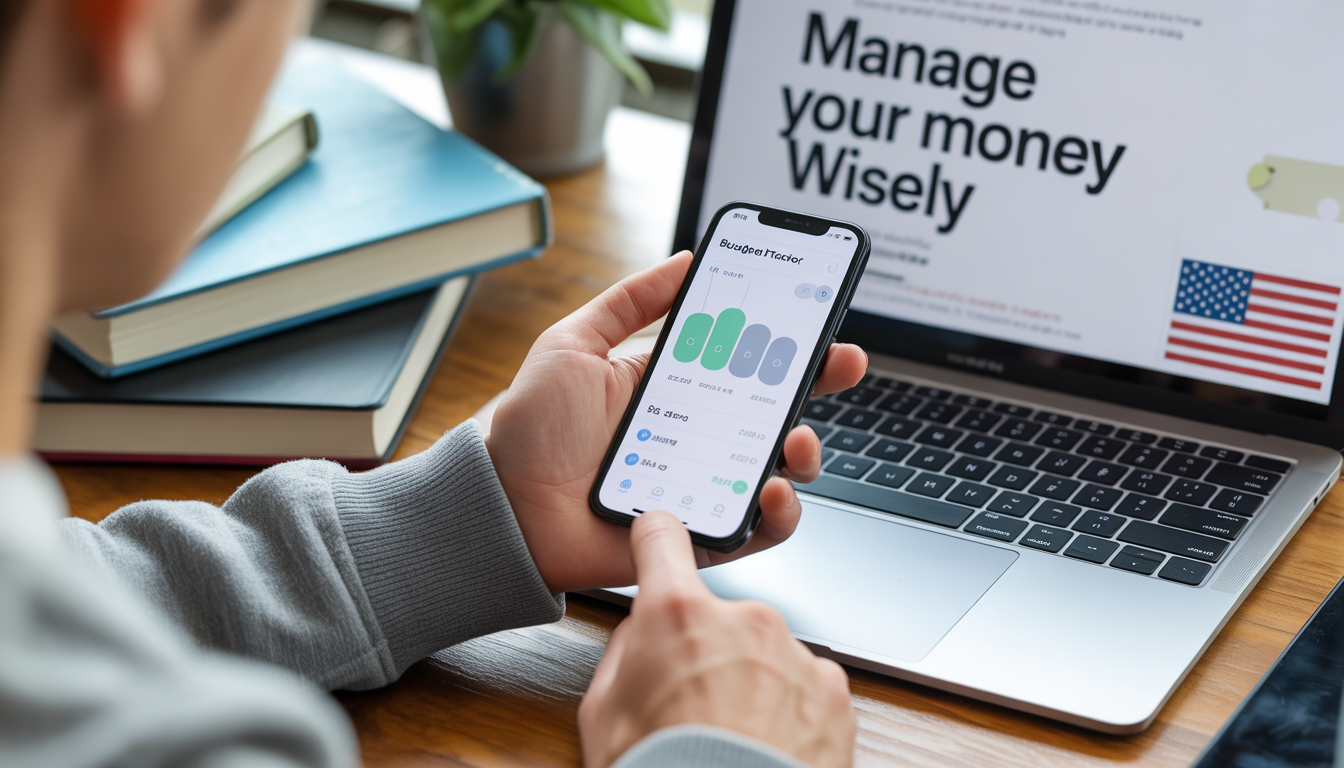
Your iPhone won’t magically make tuition free or turn ramen into steak, but it can stop you from making dumb money moves and help you build real habits. Start small—one app, one setup, one weekly review. In a semester you’ll go from “Where did my paycheck go?” to “Hey, I actually have savings.”
College is supposed to be about learning, not just surviving financially. Laugh at the absurdity of it all (seriously, who decided textbooks should cost more than a car payment?), but use your tools. Your future self—the one with a degree and no crippling debt stress—will high-five you. Now close this article, open your Wallet app, and get started. You’ve got this.